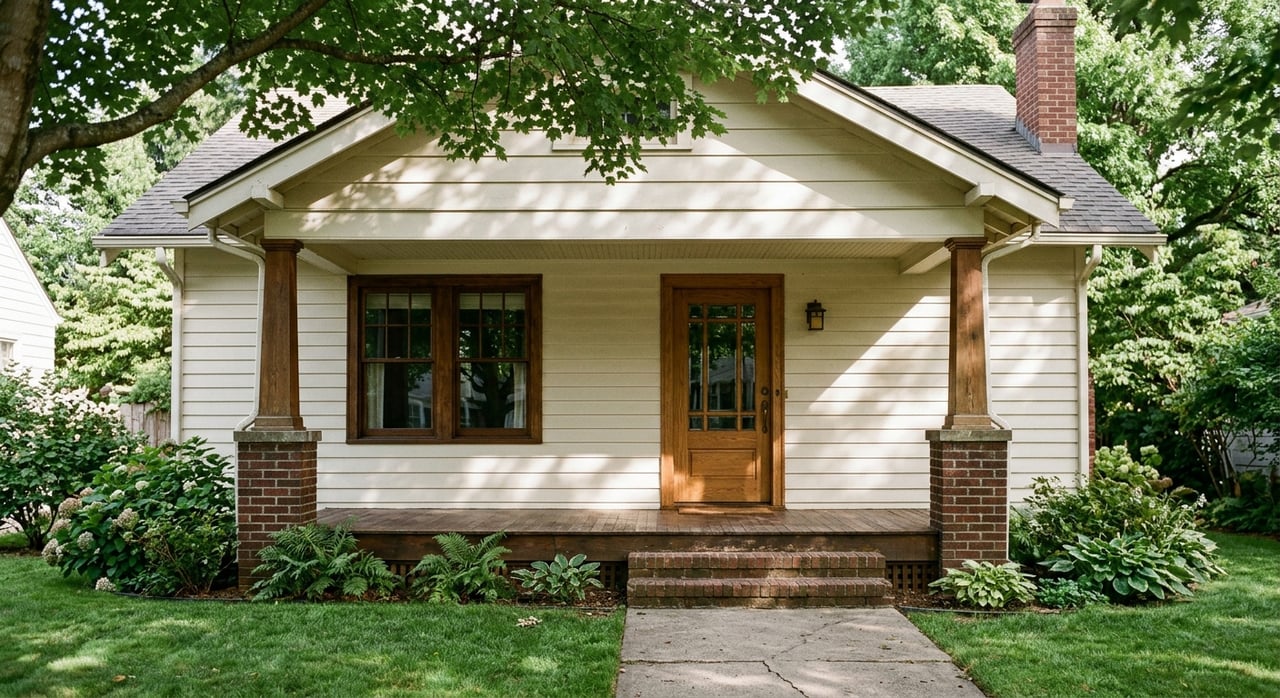
Wondering if an Old Southwest Reno home is the right mix of charm, location, and long-term fit? If you are drawn to tree-lined streets, distinctive architecture, and homes with a story, this area can feel very different from newer parts of Reno. The key is knowing what makes these properties special, what to verify before you buy, and where extra due diligence matters. Let’s dive in.
Why Old Southwest Feels Different
Old Southwest Reno stands out because it developed over time instead of all at once. A core part of the area, the Newlands Historic District, is a 171-acre primarily residential district less than a mile southwest of downtown Reno, known for mature trees, a park-like setting, and a street pattern that mixes curving and straight blocks.
That history shows up in the streetscape. Reno historical records describe the southwest quadrant, now called Old Southwest, as an area that was already filling with middle-class bungalows and cottages in 1912, expanding south from larger homes near the Truckee River. For you as a buyer, that means the neighborhood often feels layered and established rather than uniform.
Another important point is that Old Southwest is not one single look. In the Newlands area, the oldest homes are generally closer to downtown, while later development spread farther south and west. As you tour homes, you may notice one block feels very early 1900s while another reflects a later era.
What Character Homes Look Like Here
If you are hoping for architectural variety, Old Southwest delivers. Historic documentation for the Newlands district identifies styles that include Queen Anne, Shingle, Craftsman, Prairie, Colonial Revival, Mission Revival, Spanish Colonial Revival, Tudor Revival, Minimal Traditional, Ranch, and some Contemporary homes.
That range matters because it shapes both lifestyle and maintenance expectations. Some homes feature original detailing and older materials, while others reflect later updates or a simpler mid-century style. You are not shopping a neighborhood of repeat floor plans.
Many homes in the area were built of brick, stone, or wood. Local historical examples also reinforce the variety, from Queen Anne structures to Spanish Colonial Revival homes and even unusual period designs. In practical terms, you should expect a very different feel from one property to the next, even within the same few streets.
Expect Block-by-Block Variation
One of the biggest mistakes buyers make in Old Southwest is assuming every home offers the same age, condition, or renovation path. Decorative brick Craftsman bungalows and Period Revival cottages are more common in the northeast portion of the district, while Ranch and Contemporary homes appear more often farther southwest.
That is why home-by-home analysis matters here. A charming exterior does not tell you everything about systems, improvements, or future project flexibility. The details of the specific parcel matter more than the broader neighborhood label.
What to Check Before You Buy
Older homes can be deeply appealing, but they usually reward buyers who look closely. A standard home inspection should review the structure and foundation, exterior and drainage, roofing, plumbing, electrical, HVAC, interior components, ventilation and insulation, and fireplaces or chimneys.
In an area like Old Southwest, it helps to pay extra attention to signs that often point to larger repair needs. These can include pooling water, aging gutters and downspouts, service panel concerns, attic or crawl-space ventilation issues, poor water pressure, leaks, rust, corrosion, rot, insect damage, or chimney buildup.
If a home shows signs of settling, older systems, or extensive past remodeling, a specialist inspection may also be worth considering. That can give you a clearer picture before you finalize your decision or budget for improvements.
Focus on Drainage and Exterior Clues
Drainage deserves close attention in older neighborhoods. Surface water patterns, grading, gutters, and downspouts can all affect how a property performs over time.
The City of Reno manages floodplain information and serves as a community source for FEMA flood map data, and Washoe County directs property owners to county engineering resources or regional mapping tools to determine whether a parcel is within a floodplain. Even if a home is not right next to the river, flood risk and drainage issues should still be part of your review.
Review Plumbing, Electrical, and Ventilation
Behind the charm, older systems can carry hidden cost. During inspections, look for practical warning signs such as banging pipes, water pressure issues, corrosion, or older electrical components that may need updating.
Ventilation is also easy to overlook. Attic and crawl-space ventilation issues can affect moisture levels and the long-term condition of the home. A well-organized inspection period gives you time to understand what is cosmetic, what is maintenance, and what may require larger investment.
Lead and Asbestos Matter in Older Homes
If you are buying a home built before 1978, lead-based paint should be part of your due diligence. Many homes from that era contain lead-based paint, and sellers are required to disclose known lead hazards, provide any available records, and give buyers an opportunity to check for lead hazards before purchase.
This does not automatically mean a home is unsafe or unworkable. It means you should understand the condition of painted surfaces and make a plan if you expect to remodel. If renovation work will disturb painted areas, lead-safe certified contractors are recommended.
Asbestos is another issue that can come up in older homes. Materials such as old floor tile, ceiling tile, and pipe wrap may contain asbestos, but you cannot confirm that by sight alone.
If a material is damaged or you plan to disturb it during renovation, proper sampling by a trained and accredited asbestos professional is the appropriate next step. This is especially important if you are buying for character but also planning updates right away.
Historic Status Is Not Automatic
A common question in Old Southwest is whether every home is historic-designated. The answer is no. Some properties are locally designated or located within designated historic districts, but you should verify the status of the specific parcel instead of assuming the same rules apply to the entire neighborhood.
This distinction matters because local designation affects what kind of exterior work may need review. According to the City of Reno, only local register designation provides protection against alteration or demolition. National Register listing alone is honorary.
What Local Designation Can Mean
If a property is on the City of Reno Register of Historic Places, substantial exterior work requires a Certificate of Appropriateness. Ordinary maintenance and interior changes that do not substantially alter the exterior are exempt.
For you as a buyer, that does not mean you cannot improve the home. It means your renovation timeline and planning may need more structure, especially for exterior projects. If preserving architectural character is part of the appeal, understanding these rules early can help you make a more confident decision.
Permit History Is Worth Reviewing
Permit research is one of the smartest steps you can take with an older home. Washoe County states that if a project is not on the exempt list, a building permit is required, and the City of Reno warns that work completed without the required permit can lead to compliance fees.
That makes permit history especially relevant if a home has had additions, reroofing, electrical updates, plumbing work, or remodels. A polished kitchen or expanded footprint may look great in photos, but you still want to know whether the work was done with the required approvals.
This step can also help you better estimate future projects. If you know what was done, when it was done, and whether it was permitted, you can move forward with fewer surprises.
Plan for a Longer Due-Diligence Window
Character homes often deserve a little more time. In Old Southwest, your due-diligence period may need to cover the main inspection, possible specialist inspections, lead or asbestos evaluation where relevant, permit research, and confirmation of any local historic-review requirements.
That does not have to make the process difficult. It simply means a calm, organized plan matters. When you build in enough time for inspections, document review, and thoughtful decision-making, you are more likely to feel clear and confident instead of rushed.
This is especially helpful if you are relocating or buying from out of area. A home with character can be a wonderful fit, but it should also be a well-understood purchase.
How to Buy With More Confidence
Old Southwest Reno offers something many buyers want and cannot easily replicate: established streets, architectural personality, and homes with a sense of place. The tradeoff is that each property tends to require more individualized review than a newer, more standardized home.
A strong buying approach usually includes:
- Verifying the exact parcel’s historic status
- Reviewing inspection findings closely
- Checking floodplain and drainage information
- Confirming permit history for major improvements
- Evaluating lead and asbestos concerns when age or renovation plans make them relevant
- Allowing enough time for decisions, follow-up inspections, and negotiations
When you approach the process with clarity, you can enjoy the charm without overlooking the practical side of ownership. That balance is often what makes a character-home purchase feel exciting and smart.
If you are considering a home in Old Southwest Reno and want a steady, detail-oriented strategy, Tiffany Billman can help you evaluate the property, coordinate the right due diligence, and move forward with confidence.
FAQs
Is every Old Southwest Reno home historic-designated?
- No. Some properties are locally designated or located within designated historic districts, but not every home in Old Southwest has the same status or rules.
Can you remodel a character home in Old Southwest Reno?
- Often yes. If the property is locally designated, substantial exterior changes may require a Certificate of Appropriateness, while ordinary maintenance and interior changes that do not substantially alter the exterior are generally exempt.
What should you inspect in an older Old Southwest Reno home?
- Key areas include the structure, foundation, drainage, roof, plumbing, electrical, HVAC, ventilation, insulation, and fireplaces or chimneys, along with red flags like leaks, corrosion, rot, poor water pressure, and ventilation issues.
Why does permit history matter for an Old Southwest Reno home?
- Permit history helps you verify whether prior additions, reroofs, electrical work, plumbing updates, or remodels were completed with the required approvals, which can reduce surprises after closing.
Should you plan extra time when buying an Old Southwest Reno character home?
- Yes. Older homes may require additional time for inspections, specialist evaluations, permit research, lead or asbestos review where relevant, and confirmation of any local historic-review requirements.
