If you are considering Spanish Springs, the biggest question is usually not just can you buy there, but will it fit the way you actually live. This area offers more space, a strong single-family-home feel, and a quieter setting than many nearby options, but it also comes with tradeoffs like longer drives and a more car-centered routine. If you want a clear picture before you start touring homes, this guide will walk you through what to expect in Spanish Springs and what to verify before you make an offer. Let’s dive in.
Why buyers choose Spanish Springs
Spanish Springs sits along the northern edge of Sparks in Washoe County and covers a large footprint of about 55.55 square miles. With 17,314 residents and a 91.9% owner-occupied housing rate, it tends to attract buyers who want a more settled, ownership-focused environment. That high owner-occupancy rate also helps explain why many buyers see Spanish Springs as a place to put down roots rather than a short-term stop.
Home values here also reflect that demand for space and detached housing. The median owner-occupied home value is $623,900, which is higher than both Sparks and Washoe County overall. County planning materials note that Spanish Springs is about 29% pricier than Sparks and about 15.6% pricier than Washoe County on median owner value.
Spanish Springs lifestyle and setting
One of the most important things to understand is that Spanish Springs is not a compact town center. It functions more like a broad suburban and rural district, with daily conveniences and services often clustered along Pyramid Highway. If you are hoping for a highly walkable setup with retail and errands just a few blocks away, this may feel different from what you expect.
That said, the area has a clear appeal for buyers who want breathing room. Washoe County’s Spanish Springs Area Plan emphasizes preserving the area’s scenic, low-density, rural, and western heritage while still allowing suburban residential and commercial opportunities. In plain terms, that means you will find a mix of neighborhood subdivisions and larger properties, often with more open space than in denser parts of the Reno-Sparks market.
What housing looks like
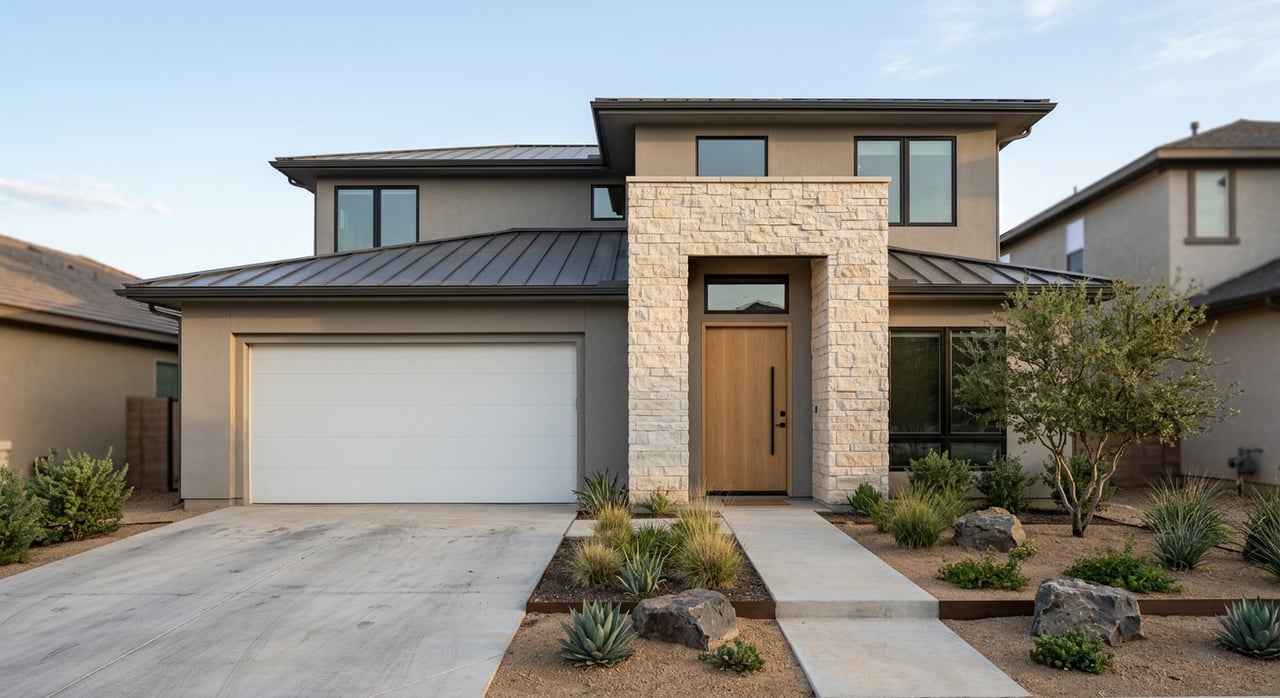
For most buyers, detached homes are the baseline in Spanish Springs. County planning materials show single-family detached homes permitted across the main residential designations, so the bigger question is usually not home type, but how much land, what kind of setting, and what infrastructure supports the property.
The area also transitions in character depending on where you look. The suburban core is concentrated along Pyramid Highway, while areas farther away tend to shift toward lower-density and more rural land patterns. This creates a wide range of options for buyers, from more traditional subdivision living to acreage-style properties.
Lot sizes can vary a lot
Spanish Springs is one of those places where lot size can change your day-to-day experience in a big way. In the suburban core, the area plan allows densities up to 3 dwelling units per acre, and it also identifies suburban zoning at 1 unit per acre and 1 unit per 2.5 acres. That means some homes will feel more neighborhood-oriented, while others offer noticeably more separation.
Farther north and east, lower-density suburban opportunities can include one- to five-acre parcels. In the rural character area, zoning can be as low as 1 unit per 10 acres or even 1 unit per 40 acres. If you are comparing properties in Spanish Springs, it is smart to think beyond square footage and pay close attention to the land, access, and overall site setup.
Utilities and property setup matter
In Spanish Springs, two homes at a similar price point can operate very differently. Washoe County facility-planning documents note that the valley includes both sewer-connected parcels and parcels with on-site septic systems. That is especially important if you are considering acreage or homes on the edge of the valley.
Before you get too far into the process, verify the property’s utility setup early. You will also want to look closely at site drainage, since county materials identify it as a practical consideration for buyers in the area. These details may not be the most exciting part of the search, but they can have a real impact on long-term ownership and maintenance.
Key property questions to ask
- Is the home connected to sewer, or does it use an on-site septic system?
- What do you need to know about site drainage?
- Are there HOA rules or subdivision restrictions that affect use of the property?
- How large is the parcel, and how does that compare with nearby homes?
- Does the location feel closer to the suburban core or the more rural edges of Spanish Springs?
For relocation buyers and out-of-area buyers, this is where a detail-oriented process matters. A home can look ideal online, but the land, utilities, and neighborhood pattern often tell the fuller story.
Commute and transportation expectations
Spanish Springs is best approached with realistic commute expectations. The Census reports a mean travel time to work of 33.0 minutes, which is about 9 minutes longer than Sparks and 10.5 minutes longer than Washoe County overall. For many households, that means planning around a drive-oriented routine rather than expecting quick access in every direction.
Pyramid Highway is the key corridor in the area, and it plays a central role in commuting and errands. RTC also provides FlexRIDE on-demand service in select areas of Sparks and Spanish Springs, and the Pyramid Highway/US 395 Connection project is moving ahead to reduce congestion and support growth. Even with those options and improvements, most buyers should still expect car-centered daily life.
Amenities and daily convenience
Spanish Springs does offer local amenities that matter when you are comparing neighborhoods. Lazy 5 Regional Park is an approximately 85-acre Washoe County park with playgrounds, picnic areas, trails, a skatepark, water play, and indoor recreation space at The Hive. For many buyers, having that kind of recreation nearby adds real value to everyday life.
The Spanish Springs Library on Pyramid Highway is another practical local hub. It offers drive-up hold pickup, public computers, Wi-Fi, meeting rooms, and regular programming. Nearby WCSD schools include Spanish Springs Elementary and Spanish Springs High School.
The larger pattern to understand is that conveniences tend to cluster along Pyramid Highway rather than around a traditional walkable center. So when you evaluate a home, think about how often you will use that corridor and whether that layout supports your routine.
Who Spanish Springs fits best
Spanish Springs tends to work well for buyers who want more space, detached homes, and a quieter suburban setting. It can be especially appealing if you value lot size, room to spread out, and a setting that blends suburban convenience with a more rural feel. Buyers who prioritize ownership stability may also appreciate the area’s very high owner-occupancy rate.
On the other hand, Spanish Springs may be a less natural fit if your top priorities are a short commute, dense retail access, or a highly walkable daily lifestyle. That does not make it better or worse than other Reno-area options. It simply means the right choice depends on how you live and what tradeoffs you are comfortable making.
What to verify before you buy
Buying in Spanish Springs often comes down to asking the right questions early. This is especially true if you are relocating, buying remotely, or comparing homes that look similar online but sit on very different parcels. A careful, organized review can help you avoid surprises and buy with more confidence.
Here are a few of the most important items to confirm:
- Location pattern: Is the home near the Pyramid Highway core or in a lower-density area?
- Lot size: Does the parcel size match the lifestyle you want?
- Utility setup: Is the property sewer-connected or on septic?
- Site conditions: What should you know about drainage and maintenance?
- Subdivision rules: Are there HOA or neighborhood restrictions to review?
- Commute reality: How will the drive affect work, school, errands, and recreation?
When you work through these details before writing an offer, you can compare homes more accurately and make a stronger decision.
A strategic way to shop Spanish Springs
Spanish Springs is not a one-size-fits-all market, which is exactly why a thoughtful buying strategy matters. The area can offer a lot if you want space, detached housing, and a quieter feel, but each pocket can live very differently depending on lot size, infrastructure, and access to the Pyramid Highway corridor. A clear plan helps you focus on the homes that truly match your priorities.
If you are buying in Spanish Springs, it helps to have guidance that is calm, local, and detail-driven from the start. From narrowing down the right section of the area to coordinating inspections and verifying property specifics, the goal is to help you move forward with clarity. If you are ready to talk through your options in Spanish Springs, connect with Tiffany Billman for personalized guidance.
FAQs
What is Spanish Springs like for homebuyers?
- Spanish Springs offers a mix of suburban and rural character, with detached homes, higher owner-occupancy, and more space than many nearby areas.
What kinds of homes are common in Spanish Springs?
- Single-family detached homes are the baseline expectation across the main residential designations, with options ranging from subdivision homes to acreage-style properties.
How large are lots in Spanish Springs?
- Lot sizes can vary widely, from more suburban densities in the core to one- to five-acre parcels and even much lower-density rural zoning in some areas.
What should buyers check about utilities in Spanish Springs?
- Buyers should verify whether a property is connected to sewer or uses an on-site septic system, especially for acreage or edge-of-valley homes.
Is Spanish Springs a good fit for commuters?
- Spanish Springs is more drive-oriented, with a mean travel time to work of 33.0 minutes, so it tends to fit buyers who are comfortable with a car-centered routine.
Where are most amenities in Spanish Springs?
- Many everyday conveniences and services cluster along Pyramid Highway, with local amenities including Lazy 5 Regional Park and the Spanish Springs Library.
