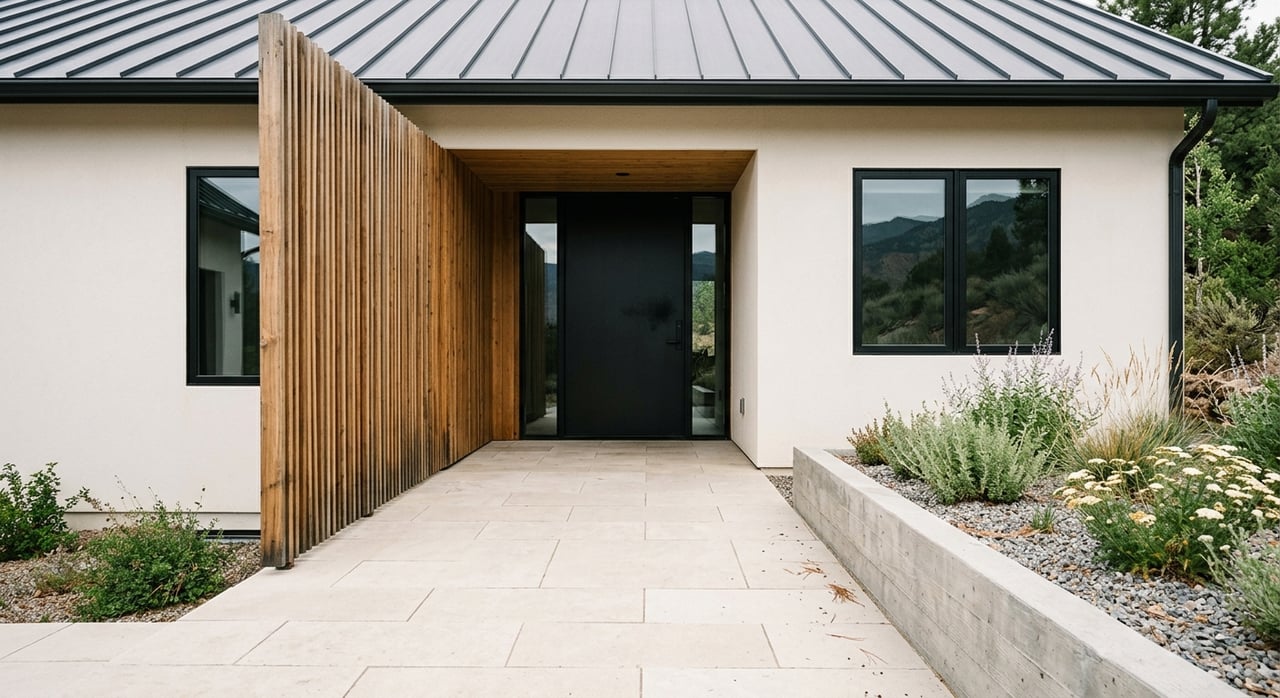
Thinking about a smaller home in South Reno? You are not alone, and the decision is often about more than square footage. If you want less upkeep, fewer stairs, or a simpler day-to-day routine without leaving the area you know, a clear plan can make the move feel far more manageable. This step-by-step guide will help you think through timing, housing options, local logistics, and the trade-offs that matter most in South Reno. Let’s dive in.
Why downsizing in South Reno takes planning
Downsizing in South Reno is rarely just a matter of selling one home and buying another. In Reno’s February 2026 economic update, the average single-family home value in the Reno MSA was reported at $566,802, with about 2.0 months of supply for single-family homes and condo/townhomes and a median 72 days to go under contract. That combination can create opportunity if you have built up equity, but it can also make your replacement-home search more competitive.
South Reno also has a distinct feel within the larger market. Washoe County describes the South Valleys area as largely rural with some suburban land-use designations and limited future growth. In practical terms, that means your next home may require more careful neighborhood-by-neighborhood searching, especially if your goal is single-level living or a lower-maintenance setup.
Step 1: Define what the move should solve
Before you sort a closet or book a mover, get specific about your reason for downsizing. You may want fewer stairs, less yard work, lower maintenance, easier travel, or a home that better supports caregiving or day-to-day convenience. The clearer your goal, the easier it becomes to choose the right replacement home.
This step also helps you decide whether a move is truly the best answer right now. If you like your location and your main concern is safety or function, the City of Reno offers an Older Adults Home Modification Program for qualifying homeowners age 62 and older with income at or below 80% of area median income. The program is designed to reduce fall risks and improve safety, which may be worth exploring if aging in place still feels like the right fit.
Step 2: Choose your next-home priorities
Once you know why you want to move, decide what your next home needs to deliver. Try separating your list into must-haves and nice-to-haves so you can make decisions more confidently if inventory is tight.
Your must-haves might include:
- Single-level living
- Minimal exterior maintenance
- Smaller lot size
- Main living spaces on one floor
- Proximity to daily errands or familiar parts of South Reno
- Predictable monthly ownership costs
Your nice-to-haves might include:
- Extra guest space
- A lock-and-leave setup for travel
- Community amenities
- A newer floor plan
- A smaller yard with outdoor living space
Keeping this list focused can prevent you from trading one set of stresses for another. A beautiful home is not always the best downsizing choice if it still comes with stairs, heavy outdoor upkeep, or rules and costs you did not fully expect.
Step 3: Understand your main housing options
South Reno is not a one-size-fits-all housing market, so it helps to compare the most common downsizing paths early.
Single-level detached homes
If privacy and independent ownership are high priorities, a single-level detached home may be the best fit. In South Reno, though, availability can vary quite a bit by neighborhood because the South Valleys area includes a mix of rural and suburban development patterns. You may need flexibility on exact location, lot size, or age of the home to find the right balance.
This option can still involve yard care and exterior maintenance, which matters in areas where ongoing vegetation management is part of ownership. If your goal is to simplify daily life as much as possible, it is worth looking closely at how much outdoor work the property will realistically require.
Condos and townhomes
Condos and townhomes are a practical downsizing category in Reno, not an afterthought. The City of Reno’s housing dashboard tracks demand for apartments, condos, townhomes, and single-family homes, which reflects the role attached housing plays in the local market.
For many downsizers, the appeal is straightforward: less exterior maintenance and a more streamlined lifestyle. The trade-off is that you will likely have HOA rules, recurring dues, and shared-community documents to review carefully before closing.
Under Nevada law, if you buy in a condo, townhome, or other common-interest community, a resale package is required. That package must be furnished within 10 calendar days of a written request and remains effective for 90 calendar days. It includes items such as CC&Rs, bylaws, rules and regulations, the operating budget, and disclosures about fees, assessments, fines, and other charges.
55+ and age-restricted communities
If you are considering a 55+ community, verify the status through the governing documents and occupancy rules. Age-restricted status should not be assumed from marketing language alone.
This matters because housing for older persons must meet specific standards, including occupancy and policy requirements. If this type of community is on your list, reviewing the actual documents early can help you avoid surprises and compare communities more accurately.
Step 4: Declutter before the market clock starts
One of the biggest mistakes in a downsizing move is waiting too long to begin the sorting process. Decluttering takes longer than most people expect, especially when you have lived in a home for many years.
A calmer approach is to work in waves:
- Keep
- Donate
- Sell
- Recycle
- Discard
This method helps you make steady progress without turning every room into a high-pressure decision zone. It also gives you more time to see what actually needs to move into the next home and what no longer fits your lifestyle.
Reno offers local cleanup resources that can make this stage easier. City community cleanup events can help with residential bulky waste, and 2026 cleanup announcements noted that some events also accepted hazardous and electronic waste through city cleanup resources and a voucher program. For some neighborhoods near the wildland urban interface, the Reno Fire Department also runs a green-waste dumpster program, which can be especially useful if your cleanout includes outdoor trimming or yard debris.
Step 5: Match your sale and purchase timeline
In South Reno, timing matters because many downsizers are balancing strong equity with limited replacement-home inventory. That means your plan should account for the sale of your current home and the practical steps tied to the home you want to buy.
A thoughtful timeline can help you avoid feeling rushed. If your next home may be in a common-interest community, build in time to review the resale package and understand the fee structure, rules, and any assessment history. If you are moving from a larger home to a smaller one, allow extra time for sorting and pre-listing preparation so your current home shows well.
Taxes matter too. Washoe County’s tax year runs from July 1 through June 30, property taxes are paid in four installments, and bills are mailed once per year by August 1. You do not need to become a tax expert, but it is wise to understand where your sale and purchase dates fall within that calendar as you plan cash flow and closing timing.
Step 6: Prepare your current home to show well
When you are downsizing, your current home still needs to compete in the market. In South Reno, that often means highlighting easy living, functionality, and low-maintenance features in a clear, polished way.
Start with the basics. Reduce visual clutter, simplify furniture placement, and make sure rooms read clearly for their intended purpose. Buyers respond well when a home feels calm, cared for, and ready for the next chapter.
If your home is in or near a wildland urban interface area, pre-listing preparation may also include defensible-space cleanup. Washoe County and local fire guidance require vegetation management in designated hazard zones, so this can be both a presentation issue and an ownership responsibility. Addressing it early can improve curb appeal and reduce last-minute stress.
Step 7: Keep wildfire upkeep in mind
In parts of South Reno, low-maintenance living can mean more than just a smaller yard. It can also mean less ongoing wildfire-prevention work.
TMFPD states that properties in Moderate, High, and Extreme WUI areas must maintain defensible space, with fuel-modification distances of 30, 50, and 100 feet respectively. Owners are responsible for modifying and disposing of nonfire-resistive vegetation. If outdoor upkeep is one of the reasons you want to downsize, this is an important lens to apply when comparing homes.
A property that looks manageable at first glance may still come with regular vegetation work, seasonal cleanup, and disposal needs. For many homeowners, a true downsizing win is finding a home that reduces both interior maintenance and outdoor obligations.
Step 8: Think lifestyle, not just square footage
The best downsizing move is not always the smallest home. Often, it is the home that supports the way you actually want to live.
Many homeowners want to stay in South Reno because they already feel connected to the area. South Valleys Regional Park offers sports fields, playgrounds, picnic facilities, a disc golf course, and access to the South Valleys Branch library and Reno Ice. If those day-to-day anchors matter to you, your downsizing plan may be less about leaving the area and more about refining how you live within it.
That is why it helps to ask a few bigger-picture questions before you make a move:
- Do you want to stay close to your current routines?
- How much exterior work do you want to handle going forward?
- Are stairs a short-term annoyance or a long-term obstacle?
- Would an HOA feel helpful, restrictive, or both?
- Are you optimizing for ease, travel, budget, or flexibility?
Those answers often point you toward the right type of home faster than square footage alone.
A calm plan creates better choices
Downsizing in South Reno works best when you treat it as a coordinated transition, not a rushed event. With meaningful equity in the market, limited supply, and a wide range of home styles and maintenance demands, the smartest moves usually come from early planning and clear priorities.
If you want a steady, organized process, it helps to work with someone who can guide both sides of the move with care. From preparing your current home to evaluating condos, townhomes, or single-level options, a clear strategy can make each step feel more manageable. When you are ready to talk through your timing and options, connect with Tiffany Billman.
FAQs
What makes downsizing in South Reno different from other Reno moves?
- South Reno downsizing often involves balancing strong home equity with limited replacement-home inventory, plus neighborhood-specific trade-offs around stairs, lot size, outdoor upkeep, and housing type.
What housing types should I consider for a South Reno downsizing move?
- Common options include single-level detached homes, condos, townhomes, and 55+ communities, each with different maintenance levels, fees, and rules to review.
What should I review before buying a South Reno condo or townhome?
- In a Nevada common-interest community, review the resale package carefully, including CC&Rs, bylaws, rules, operating budget, and disclosures about transfer fees, assessments, fines, and other charges.
How should I start decluttering before a South Reno move?
- Use a simple sorting system of keep, donate, sell, recycle, and discard, and start before your home hits the market so the process feels manageable.
Why does wildfire maintenance matter when downsizing in South Reno?
- In WUI areas, homeowners may have ongoing defensible-space responsibilities, so a lower-maintenance home can reduce both landscaping work and wildfire-prevention chores.
Should I move or modify my current South Reno home?
- If your main concern is safety or accessibility and you want to stay put, the City of Reno’s Older Adults Home Modification Program may be worth exploring if you meet the program guidelines.
